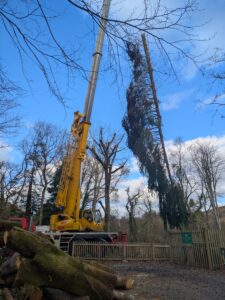
Trees provide many important benefits. They can screen eyesores, soften built form, cool and filter the air and reduce wind speeds. Trees also provide shade, create habitats for wildlife and offer pleasant settings in which to exercise. They have even been shown to aid recovery from illness and promote feelings of wellbeing.
However, trees are large biological organisms. Their health can decline and their structural integrity can fail as a result of mechanical defects, disease or decay. Tree parts can weigh anywhere from a few kilograms to several tonnes, and when branches or limbs fall from height the potential impact and severity of damage can be significant. Failure of roots or the main stem can result in catastrophic collapse of the entire tree.
Understanding Tree Risk
Where trees are small or located away from roads, buildings and frequently occupied areas, the likelihood of damage or injury occurring is generally very low. In contrast, trees situated close to highways, buildings or areas of regular public access pose a higher risk, as failure is more likely to result in damage, injury or worse.
While the overall risk of serious injury or death caused by trees in the UK is considered to be very low, this offers little comfort to those affected when an accident does occur.
Legal Responsibilities of Tree Owners
Tree owners and land managers in the UK have a duty under both Common Law and Statute Law to ensure that their trees are reasonably safe and do not pose an unacceptable risk to visitors or neighbouring property.
This does not mean trees must be maintained as completely risk-free, as that would be impossible. The law requires a reasonable and proportionate approach to tree management based on the level of risk present.
Owners and managers of commercial premises or large organisations have additional responsibilities under the Health and Safety at Work Act. They must provide a safe place of work and protect non-employees from risks associated with their premises, including risks posed by trees.
Tree Inspections and Risk Assessment
To meet their duty of care, tree owners and managers should be able to demonstrate that trees have been managed responsibly. This typically involves carrying out inspections at intervals appropriate to the level of risk posed.
An initial inspection may be undertaken by a competent person with a basic understanding of trees and common defects. However, it is essential that anyone carrying out inspections recognises the limits of their knowledge and seeks further advice when necessary.
If an inspection identifies anything that appears outside the characteristics of a normal, healthy tree, advice should be sought from a qualified and experienced arborist.
Record Keeping and Surveys
For most private tree owners, there is no legal requirement to keep written records of inspections or risk assessments. However, keeping records is strongly advised, as it helps demonstrate that a proactive system of tree management was in place should an accident occur and a claim arise.
A professional tree survey can identify risks, specify any work required to reduce those risks to an acceptable level and provide a timeframe within which the work should be completed. Any recommended works should be carried out within the specified timescales to ensure the duty of care has been met.
When to Seek Professional Advice
Where tree owners do not feel competent to inspect their own trees, a professional tree surgeon should be engaged. Instructions should be clear, unambiguous and preferably provided in writing.
A suitably qualified professional will typically hold a recognised qualification in arboriculture or forestry and maintain their knowledge through ongoing training. A person holding the Lantra Professional Tree Inspection certificate would generally be considered appropriately qualified.
Professional Tree Advice in North Wales
If you live in North Wales and have concerns about trees on your property, please do not hesitate to contact Dragon Tree Services. We can provide professional advice, tree inspections and a free, no-obligation quote for any required tree surgery work.
We can also carry out tree surveys and provide written reports detailing any recommended works to help you manage your trees safely and responsibly.